%2Ffit-in%2F250x250%2Fguide_websites%2F14588%2Fimages%2F1712641371646image6.png&w=1920&q=100)
/users/f57c6799-52da-49ee-9d73-06f9cb2b3191/ratecard/323988981_734068211704431_5488461644929409598_n.jpg)
%2F300x300%2Fusers%2Ff57c6799-52da-49ee-9d73-06f9cb2b3191%2Fratecard%2F323988981_734068211704431_5488461644929409598_n.jpg&w=256&q=75)
%2F300x300%2Fusers%2Ff57c6799-52da-49ee-9d73-06f9cb2b3191%2Fimages%2Ffishing-fun-new-jersey-2362.jpg&w=256&q=75)
%2F300x300%2Fusers%2Ff57c6799-52da-49ee-9d73-06f9cb2b3191%2Fimages%2Fanglers-catch-six-fish-nj-2676.jpg&w=256&q=75)
%2F300x300%2Fusers%2Ff57c6799-52da-49ee-9d73-06f9cb2b3191%2Fimages%2Fcoastal-fishing-cape-may-2400.jpg&w=256&q=75)
%2F300x300%2Fusers%2Ff57c6799-52da-49ee-9d73-06f9cb2b3191%2Fimages%2Ffishing-adventure-new-jersey-2452.jpg&w=256&q=75)
%2F300x300%2Fusers%2Ff57c6799-52da-49ee-9d73-06f9cb2b3191%2Fimages%2Ffishing-fun-new-jersey-2519.jpeg&w=256&q=75)
%2F300x300%2Fusers%2Ff57c6799-52da-49ee-9d73-06f9cb2b3191%2Fimages%2Ffishing-fun-cape-may-2496.jpeg&w=256&q=75)
%2F300x300%2Fusers%2Ff57c6799-52da-49ee-9d73-06f9cb2b3191%2Fimages%2Fangler-fishing-cape-may-2349.jpeg&w=256&q=75)
%2F300x300%2Fusers%2Ff57c6799-52da-49ee-9d73-06f9cb2b3191%2Fimages%2Ffishing-cape-may-2384.jpeg&w=256&q=75)
%2F300x300%2Fusers%2Ff57c6799-52da-49ee-9d73-06f9cb2b3191%2Fimages%2Fscenic-fishing-new-jersey-2362.jpeg&w=256&q=75)
%2F300x300%2Fusers%2Ff57c6799-52da-49ee-9d73-06f9cb2b3191%2Fimages%2Ffishing-adventure-new-jersey-2462.jpg&w=256&q=75)
Top-Rated Tilefish Charters in Cape May, NJ
 Cape May
What you will be catching:
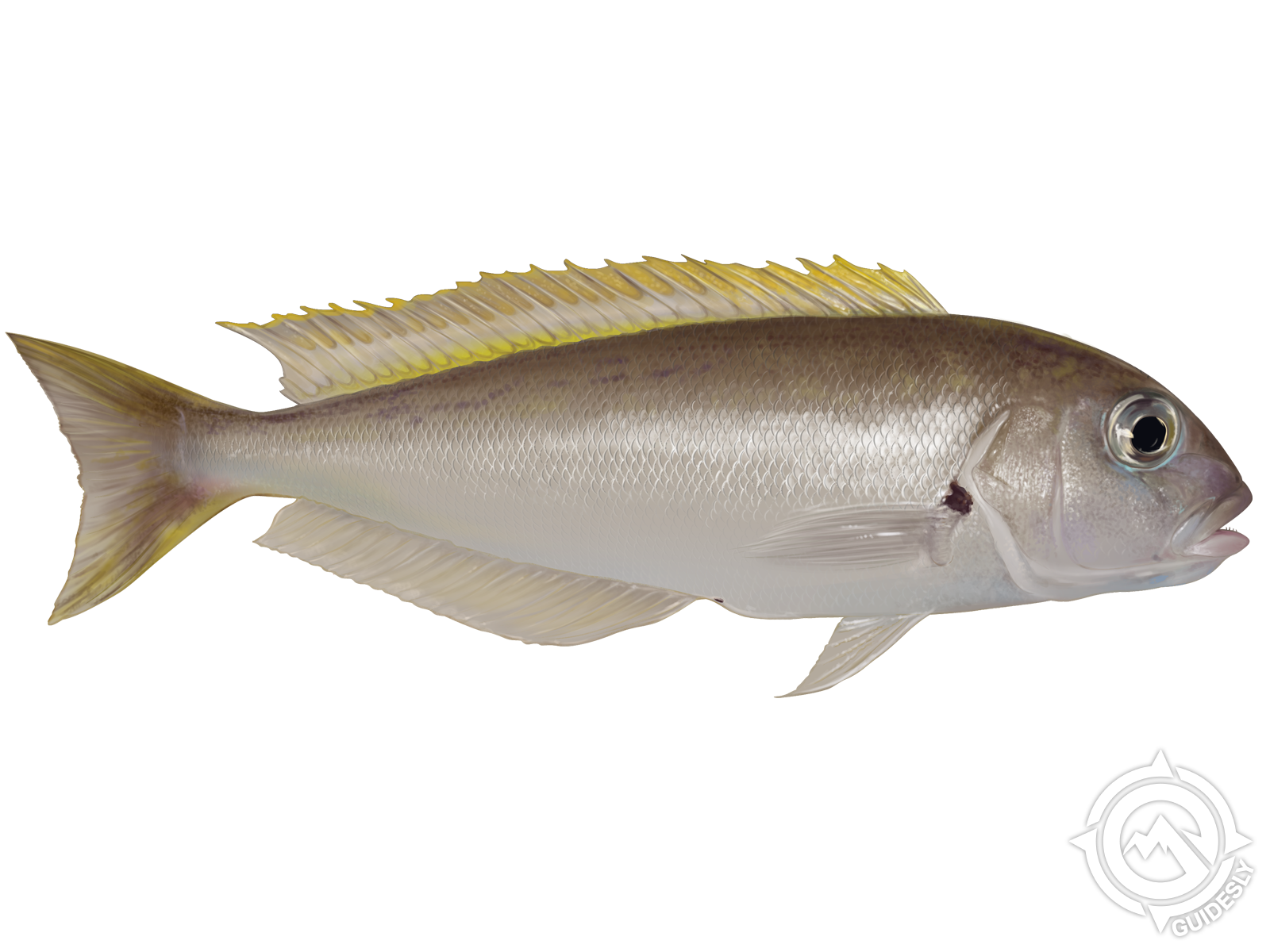 Atlantic Goldeneye Tilefish
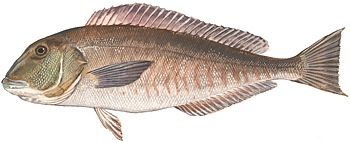 Blackline Tilefish
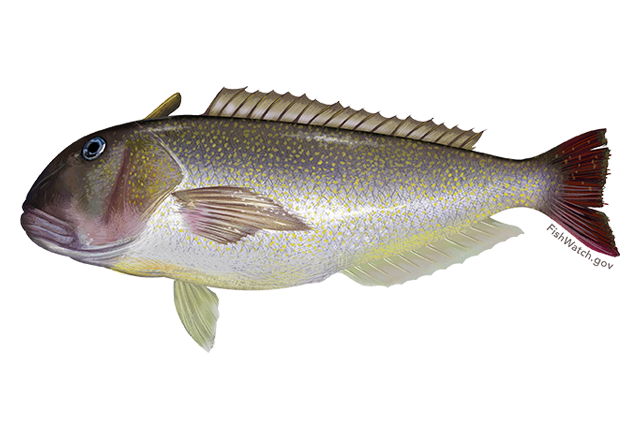 Great Northern Tilefish
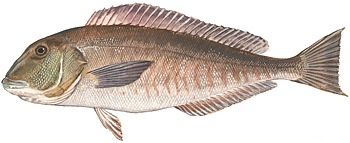 Grey Tilefish
- 12-hour deep-sea fishing expedition targeting golden and blueline tilefish
- Expert Captain Clint provides guidance at 600-foot depths off Cape May
- Six-angler capacity boat with wildlife viewing and hands-on fishing experience
Trip Pricing and Availabilities:
Tilefish Bounty: Full Day Offshore Adventure
Ready to test your mettle against some of the East Coast's most prized bottom-dwellers? Captain Clint Clement's full-day tilefish trip out of Cape May is your ticket to some serious deep-water action. We're talking about dropping lines in 600 feet of water, where the golden tiles reign supreme and their blueline cousins are always eager to join the party. This isn't your average day on the water - it's a 12-hour marathon of fishing that'll push your skills to the limit and fill your cooler with some of the tastiest fish in the Atlantic.
The Lowdown on Your Day
You'll be meeting Captain Clint at the crack of dawn, so grab your coffee and get ready to motor out to where the continental shelf drops off into the deep blue. This is where the big boys hang out. We're not messing around with small fry here - we're after the kind of fish that'll make you grunt when you haul 'em over the gunwale. The captain's got the spots dialed in, so you can expect to be on the fish pretty quick. But don't get too comfy - tilefish like to play hard to get, so you'll need to stay on your toes all day long.
Dropping Lines in the Deep
Tilefish fishing isn't for the faint of heart. We're talking heavy gear, big baits, and a whole lot of patience. You'll be using electric reels to get your bait down to where the tiles are hiding - trust me, your arms will thank you later. Once you're on the bottom, it's all about feeling for that telltale thump. These fish hit hard and fight harder, so when you hook up, be ready for a battle. Captain Clint will show you the ropes if you're new to the game, but even seasoned anglers might pick up a trick or two. We typically use cut bait like squid or mackerel, but the captain's always got a few secret weapons up his sleeve.
Species You'll Want in Your Cooler
Great Northern Tilefish are the star of the show out here. These golden beauties can grow up to 50 pounds, though most of what we catch are in the 15-30 pound range. They're not just big - they're smart, too. Tilefish are known for their burrows in the seafloor, and they'll duck and dodge your line if they catch on to what you're up to. The best time to target them is from spring through fall, but they're around all year if you know where to look. Anglers love 'em not just for the fight, but for the dinner table - tilefish are often called the "poor man's lobster" because of their sweet, delicate flavor.
Atlantic Goldeneye Tilefish, also known as Blueline Tiles, are the Great Northern's smaller cousins. Don't let their size fool you, though - these guys punch well above their weight class when it comes to taste. They typically run 5-15 pounds and are a bit easier to catch, making them a great target for newer anglers. You'll find them mixed in with the bigger tiles, and they're just as delicious.
Blackline Tilefish and Grey Tilefish round out our tilefish grand slam. These species are less common but no less exciting to catch. They tend to be smaller than their golden and blueline relatives, but they put up a scrappy fight and are a welcome addition to any fish box. Keep an eye out for these guys - landing one of each species is a real feather in your cap for a day's fishing.
Why Anglers Keep Coming Back
There's something special about tilefish that keeps folks coming back for more. Maybe it's the challenge of fishing the deep, or the thrill of battling a fish from hundreds of feet below. Or maybe it's just the fact that these fish are some of the best eating you'll ever pull out of the ocean. Whatever it is, once you've been bitten by the tilefish bug, you're hooked for life. And with Captain Clint at the helm, you're in for a day of fishing that'll have you planning your next trip before you even hit the dock.
Time to Get Your Line Wet
If you're itching to get out there and tangle with some tiles, now's the time to lock in your spot. Cape May's tilefish grounds are some of the best on the East Coast, and Captain Clint knows them like the back of his hand. Whether you're a seasoned pro looking to fill the freezer or a newbie eager to learn the ropes, this trip's got something for everyone. Just remember to bring your A-game - these fish don't give up easy, but that's what makes landing them so sweet. So what are you waiting for? Grab your gear, round up your crew, and get ready for a day of fishing you won't soon forget. The tiles are calling, and Captain Clint's ready to put you on 'em. Let's go fishing!
Learn more about the species
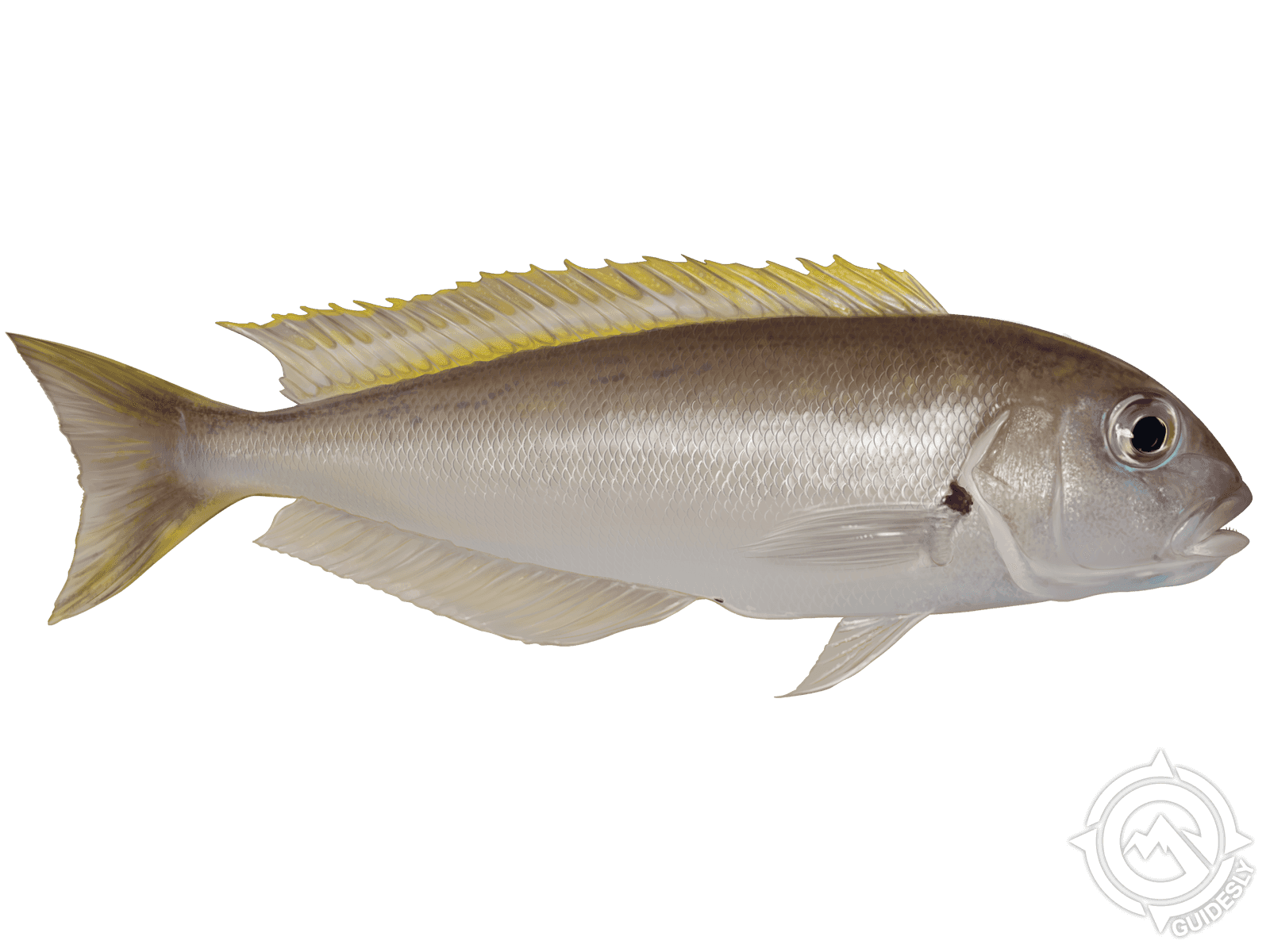
Atlantic Goldeneye Tilefish
These colorful characters are a sight to behold, with their golden spots on a dark olive-green body. You'll find them in shallower waters than their cousins, usually around 250-800 feet deep near coral reefs and sandy areas. They're not huge - typically 2-3 feet long and 40-65 pounds - but they make up for it in personality. Goldeneyes love to munch on crabs, shrimp, and small fish, so fresh cut bait is your best bet. Spring and summer are prime time for these guys. Anglers dig 'em for their unique looks and the challenge of fishing the reef edges. Here's a local trick: when you feel a nibble, give it a second before setting the hook. These fish like to play with their food a bit. Once hooked though, get ready for a spirited fight all the way up.
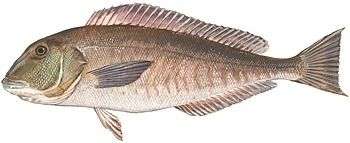
Blackline Tilefish
These deep-dwellers are a real treat to catch. With their violet-blue bodies and dark stripes, they're a stunning fish. You'll find them way down, usually 500-800 feet deep on sandy or muddy bottoms. They're not huge, averaging about a foot long, but what they lack in size they make up for in flavor. Blacklines are sight and scent feeders, so fresh squid is your go-to bait. Here's a pro tip: use a drop light on your rig. In those depths, it's a game-changer. These fish are most active in warmer months. Anglers love 'em for their tasty, soft flesh - great for grilling or sashimi. When you're fishing for blacklines, be patient. The currents can be tricky, so make sure you're anchored right over a good spot. Once you find 'em though, it's game on. They're not shy around bait, so get ready for some action.
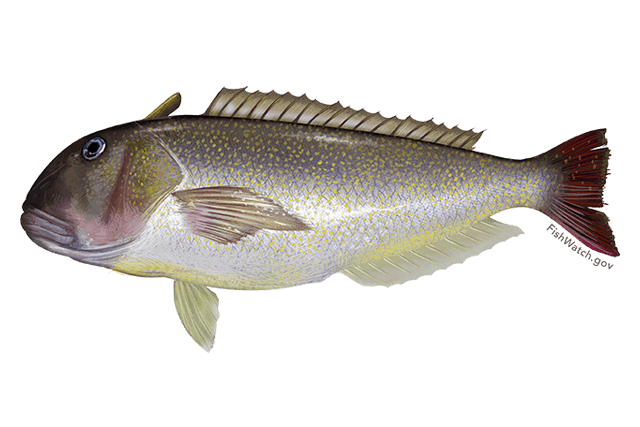
Great Northern Tilefish
These big boys are the kings of the tilefish family, growing up to 4 feet long and 50 pounds. You'll find them down deep, usually 600-800 feet, hanging out on muddy bottoms. They're curious fish - drop a lead and they'll come check it out. Best time to target them is May through October when they're spawning. Anglers love 'em for their tasty white meat, often called "poor man's lobster." They put up a good fight too. To land one, use fresh cut bait like squid or mackerel on a multi-hook rig. Pro tip: add a light to your rig - it'll draw them in like moths to a flame. Just be ready for a workout hauling these bruisers up from the depths. It's a challenge, but man, is it worth it when you get one on deck.
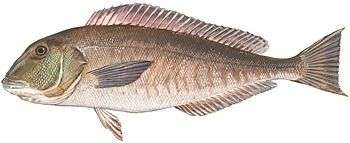
Grey Tilefish
Also known as bluelines, these bottom-dwellers are a real prize catch. You'll find them deep - we're talking 250-800 feet - on muddy or rocky bottoms. They're decent-sized, usually 5-8 pounds but can get up to 23. Look for that distinctive blue line from nose to eye. These guys love crabs and shrimp, so fresh cut bait is your ticket. Best time to catch 'em is winter in our waters when they're more abundant. Anglers call 'em "poor man's lobster" 'cause of their sweet, delicate meat. Here's a local tip: use a multi-hook rig with a light strobe attached. It'll improve your presentation in those dark depths. When you feel a bite, give 'em a second to really chomp down before setting the hook. Once you've got one, be ready for a workout - hauling these fighters up from 400 feet is no joke, but man, is it worth it.
About the Common Sense Sportfishing
%2F%2Fusers%2Ff57c6799-52da-49ee-9d73-06f9cb2b3191%2Fvehicle_picture%2F353658943_806444327882448_8416486601813200615_n.jpg&w=1920&q=75)
Vehicle Guest Capacity: 6
Manufacturer Name: Cummins
Maximum Cruising Speed: 26
Number of Engines: 2
Horsepower per Engine: 370