%2Ffit-in%2F250x250%2Fguide_websites%2F14588%2Fimages%2F1712641371646image6.png&w=1920&q=100)
Tuna Fishing Charter at Cape May with Captain Clint Clement
Offshore Tuna Fishing in Cape May - What to Expect
%2F%2Fusers%2Ff57c6799-52da-49ee-9d73-06f9cb2b3191%2Fimages%2Fcape-may-tuna-fishing-charter-2273.jpg&w=1920&q=75)
Fishing Charter by Captain Clint Clement in July
Meet your Captain Clint Clement
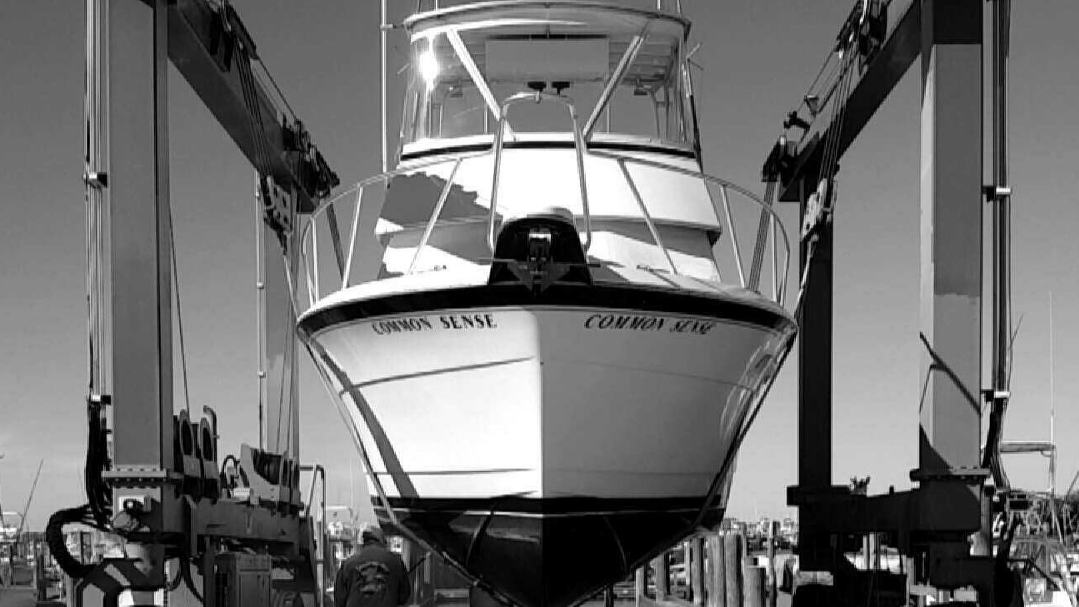
- Common Sense Sportfishing: Cape May's Best!


Summary
Join a fishing charter with Captain Clint Clement of Common Sense Sportfishing on Saturday, July 25, and experience offshore tuna fishing at Cape May. This charter-based fishing experience combines local expertise with professional equipment for an unforgettable day pursuing one of the Atlantic's most sought-after game fish.
Fishing Charter with Captain Clint Clement - Rates & Booking
Captain Clint Clement of Common Sense Sportfishing operates fishing charters from Cape May on Saturday, July 25, targeting some of the most exciting game fish in the Atlantic. This fishing charter experience focuses on connecting anglers with quality opportunities and professional guidance to maximize your time on the water. For booking details and current rates, contact Common Sense Sportfishing directly to reserve your spot and learn about included equipment and services.
Highlights of Your Fishing Charter Experience
Cape May's location along the New Jersey coast positions anglers perfectly for accessing deep offshore waters where tuna thrive. The waters around Cape May offer diverse fishing opportunities throughout the season, and charter captains like Clint Clement know the seasonal patterns, productive grounds, and techniques that work best throughout the year.
The experience showcases the results that are possible when skill, local knowledge, and proper equipment come together. Anglers aboard Common Sense Sportfishing charters gain insight into offshore fishing strategies, fish behavior, and the conditions that make Cape May a premier fishing destination on the Atlantic Coast.
Offshore Fishing Experience at Cape May
Cape May's strategic position at the tip of New Jersey's coastline provides direct access to the continental shelf and offshore structures where pelagic species congregate. The Atlantic waters off Cape May support abundant tuna populations, particularly during warmer months when these powerful fish move into shallower offshore grounds hunting baitfish.
Tuna are migratory hunters built for speed and endurance. These fish exhibit distinct feeding behavior driven by water temperature, baitfish availability, and seasonal movement patterns. Understanding tuna behavior helps anglers anticipate strikes and respond effectively when these powerful fish engage. Tuna typically hunt in schools, and when one fish strikes, others in the area often become aggressive as well, creating exciting fishing moments.
The offshore environment presents unique characteristics compared to inshore fishing. Water depth, current flow, and the presence of baitfish schools all influence where tuna hold and how actively they feed. Charter captains rely on years of local experience to identify productive spots and read environmental conditions that signal good fishing opportunities.
Fishing technique for offshore tuna involves understanding multiple approaches including trolling, jigging, and chunking. Each technique serves different situations and preferences. Trolling covers large areas of productive water, jigging targets fish holding on structure or in the water column, and chunking uses baitfish to attract and keep fish in a feeding zone. Charter boats like Common Sense Sportfishing typically employ various methods based on conditions and what's working on any given day.
The physical and mental demands of offshore tuna fishing create an engaging full-day experience. Anglers stay attentive, respond to strikes quickly, and often engage in extended battles with powerful fish that test equipment and technique. These characteristics make tuna fishing particularly rewarding for anglers seeking serious sport and memorable results.